
Every Deaf Child in Pakistan Deserves the Gift of Hearing and Speech
In Pakistan, thousands of infants are born every year with profound bilateral congenital sensorineural hearing loss. When a child cannot hear during the crucial first three years of life, they cannot develop spoken language naturally. In conventional medicine, conventional hearing aids are ineffective for profound inner ear deafness because the sensory hair cells inside the cochlea are missing or non-functional.
The only scientifically proven treatment to restore hearing and speech in these children is Cochlear Implant Surgery. However, the price of an imported multichannel cochlear implant device (such as Cochlear, MED-EL, or Advanced Bionics) often places it out of reach for middle-class and underprivileged Pakistani families.
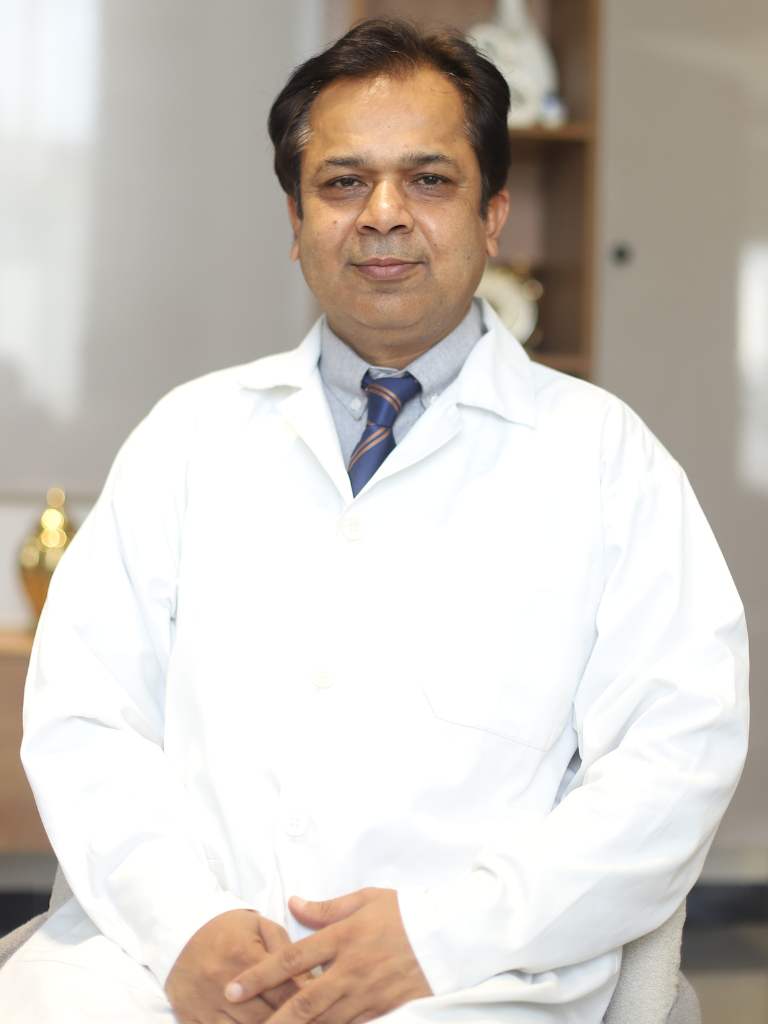
Fortunately, through Pakistan Bait-ul-Mal (PBM), Federal Health Initiatives, and philanthropic charity organizations, deserving children can receive 100% free or heavily subsidized cochlear implant surgeries. As one of Pakistan's most experienced cochlear implant surgeons with over 1,000 successful procedures, Prof. Dr. Maqbool Ahmed Baloch guides parents through every clinical and administrative step required to secure government sponsorship.
Why Early Intervention Before Age 3 is Critical
The human brain possesses remarkable neuroplasticity during the first three to five years of life. The auditory cortex develops rapidly in response to sound stimulation. If a deaf child receives a cochlear implant before age 3:
- They develop natural spoken language and pronunciation comparable to normal-hearing peers.
- They can attend regular mainstream schools rather than specialized non-verbal schools.
- They gain complete environmental awareness, safety, and social confidence.
While surgery can still be performed in older children and adolescents, the best outcomes occur when candidacy evaluation and government funding applications begin as early as possible.
5-Step Guide for Parents: How to Apply for Bait-ul-Mal Financial Aid
Step 1: Clinical Hearing Assessment & BERA Test
The first step is confirming whether your child is an eligible cochlear implant candidate. During a consultation with Prof. Dr. Maqbool Ahmed Baloch at PAF Hospital Islamabad (Sector E-9) or Crescent Plaza (G-8 Markaz), the child undergoes comprehensive audiological evaluation:
- Otoacoustic Emissions (OAE): Tests outer hair cell function.
- Brainstem Evoked Response Audiometry (BERA / ABR): Measures the hearing nerve's electrical response to sound stimuli, confirming profound sensorineural loss.
- Auditory Steady-State Response (ASSR): Provides frequency-specific hearing thresholds.
Step 2: High-Resolution Imaging (HRCT & MRI)
Before approval, radiologists and surgeons must examine the inner ear anatomy:
- HRCT Temporal Bone: Confirms the cochlea is patent and evaluates the cochlear turn anatomy for electrode insertion.
- MRI Inner Ear & Brain: Confirms the presence of a healthy, robust 8th cranial (cochleo-vestibular) nerve capable of transmitting auditory signals to the brain.
Step 3: Official Medical Board Certificate & Cost Estimation
Government funding agencies like Pakistan Bait-ul-Mal do not disburse funds without official medical board verification. Prof. Dr. Maqbool Ahmed Baloch provides the essential authorized documentation:
- Official clinical summary certifying bilateral severe-to-profound deafness unresponsive to conventional amplification.
- Official surgical candidacy recommendation from a recognized tertiary hospital (PAF Hospital Islamabad / RMI Peshawar).
- Formal quotation/proforma invoice for the approved cochlear implant system and hospital surgical package.
Step 4: Submission to Pakistan Bait-ul-Mal (Islamabad Head Office)
The family submits the complete dossier to the Pakistan Bait-ul-Mal office. The checklist includes:
- Child's NADRA Birth Certificate / B-Form.
- Valid CNIC copies of father and mother.
- Salary slip, pension book, or an official Poverty / Need Affidavit attested by a local magistrate or Union Council Chairman.
- Recent utility bills (electricity/gas) indicating residential status.
- Audiological reports (BERA, ASSR, OAE) and CT/MRI imaging reports.
- Prof. Dr. Maqbool Ahmed Baloch's surgical recommendation and cost estimation proforma.
Step 5: Surgical Implantation, Switch-On & Speech Therapy
Once the Bait-ul-Mal committee approves the grant, the device manufacturer delivers the implant directly to the hospital surgical theater. Prof. Dr. Maqbool Ahmed performs minimally invasive keyhole surgery (posterior tympanotomy and round-window insertion) under general anesthesia. Around 3 to 4 weeks post-surgery, the external processor is activated ("Switch-On"), and the child hears their first sounds, followed by structured Auditory-Verbal Therapy (AVT).
Dedicated Support for Deserving Families
If you suspect your child cannot hear or if your infant is not babbling, do not wait. Early evaluation can save a child's speech and future. Prof. Dr. Maqbool Ahmed Baloch and his hospital care team are committed to assisting deserving families in navigating the administrative and clinical process with dignity and urgency.
Need Help with a Deaf Child's Evaluation?
Contact our child welfare coordinator directly via WhatsApp or phone to book a candidacy assessment in Islamabad.
WhatsApp / Cell: +92 333 5550235 | Clinic: 051-234 0033